 UR
SEO advice often jumps straight to content and backlinks. For most small businesses, the biggest wins are simpler: making sure Google can find, read and trust your pages. Work through this checklist first.
Foundations
- Google Search Console is set up and your XML sitemap is submitted.
- Your site uses one version of the domain (https, with or without www) and redirects the others.
- robots.txt doesn’t block important pages.
- No important pages carry a noindex tag by mistake.
- Each important page has its own URL, content hidden behind tabs, pop-ups or “#” links may not be indexed separately.
On every important page
- A unique, descriptive title tag (roughly 50–60 characters).
- A unique meta description that makes people want to click.
- One clear H1 and logical H2/H3 subheadings.
- A canonical tag pointing to the page’s own preferred URL.
- Descriptive alt text on meaningful images.
- Internal links to related services and to your contact page.
Content
- A separate page for each main service, targeting one main search intent.
- Content that answers real customer questions, not keyword lists.
- An About page with real information about who you are.
- Real proof: projects, case studies or reviews you’re allowed to share.
Local SEO (if you serve an area)
- A complete, verified Google Business Profile.
- Consistent business name, address and phone across the web.
- Genuine reviews, with replies.
Speed and mobile
- Pages load quickly on a phone, see how to improve website speed.
- Text is readable and buttons are easy to tap.
Measurement
- Google Analytics 4 with conversion events for forms and calls.
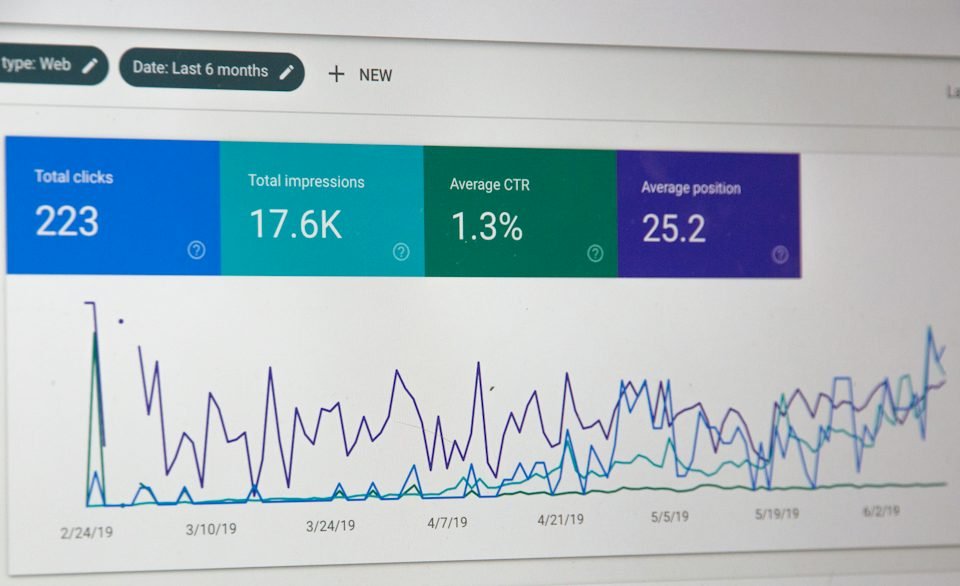
- A monthly look at Search Console: clicks, impressions and pages.
Once these basics are in place, content and authority building start to pay off. If you’d like help, our SEO services start with exactly this kind of technical audit, or request a free website audit.
 Web Development · 7 min read
 Technology · 8 min read
 Business Growth · 6 min read